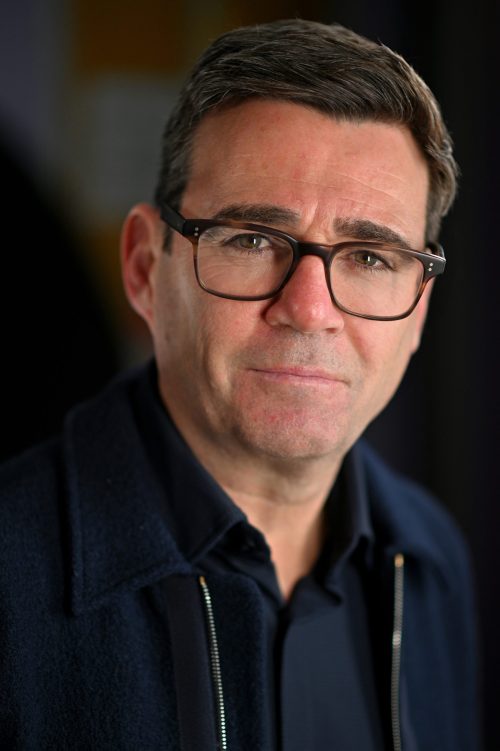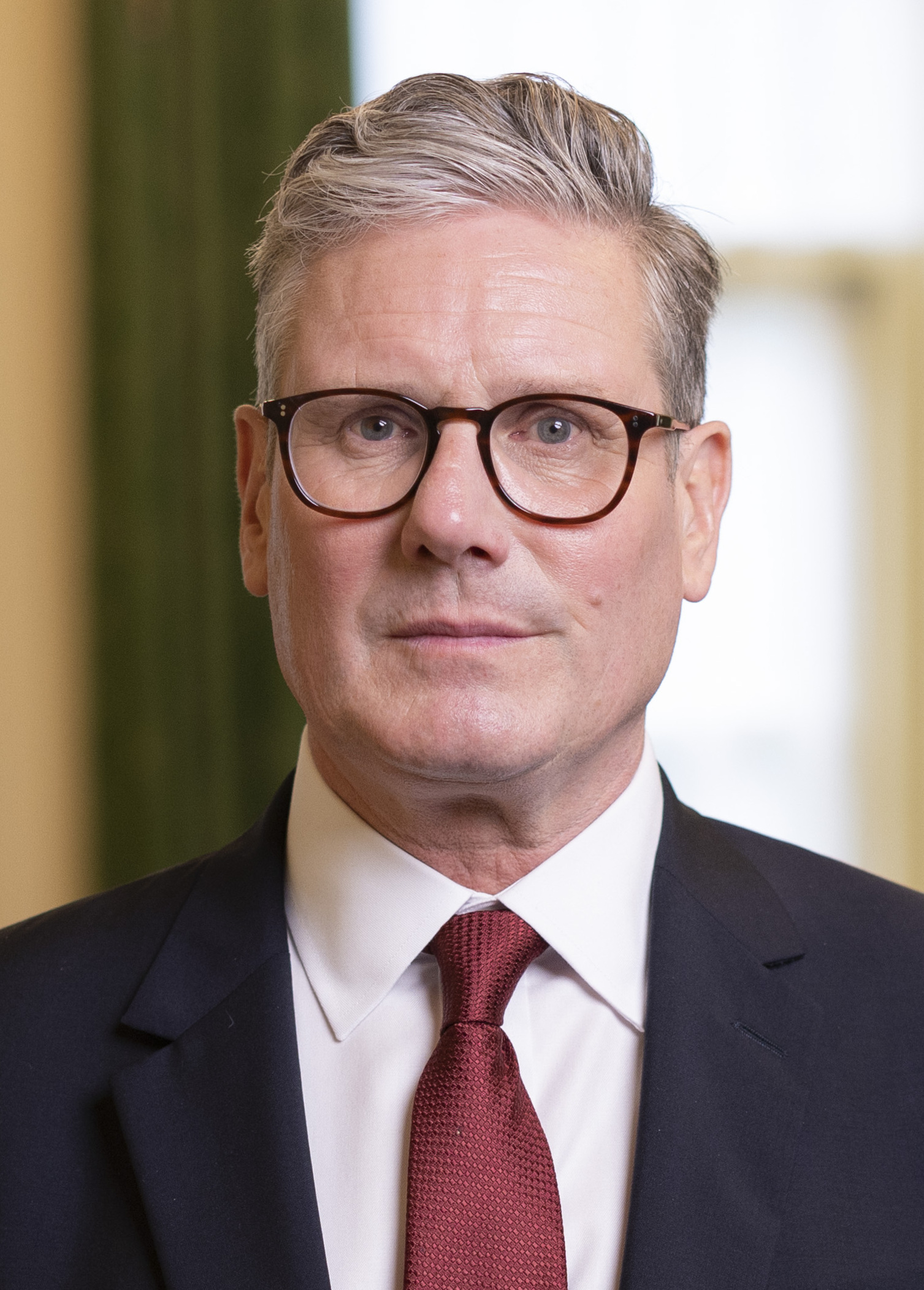
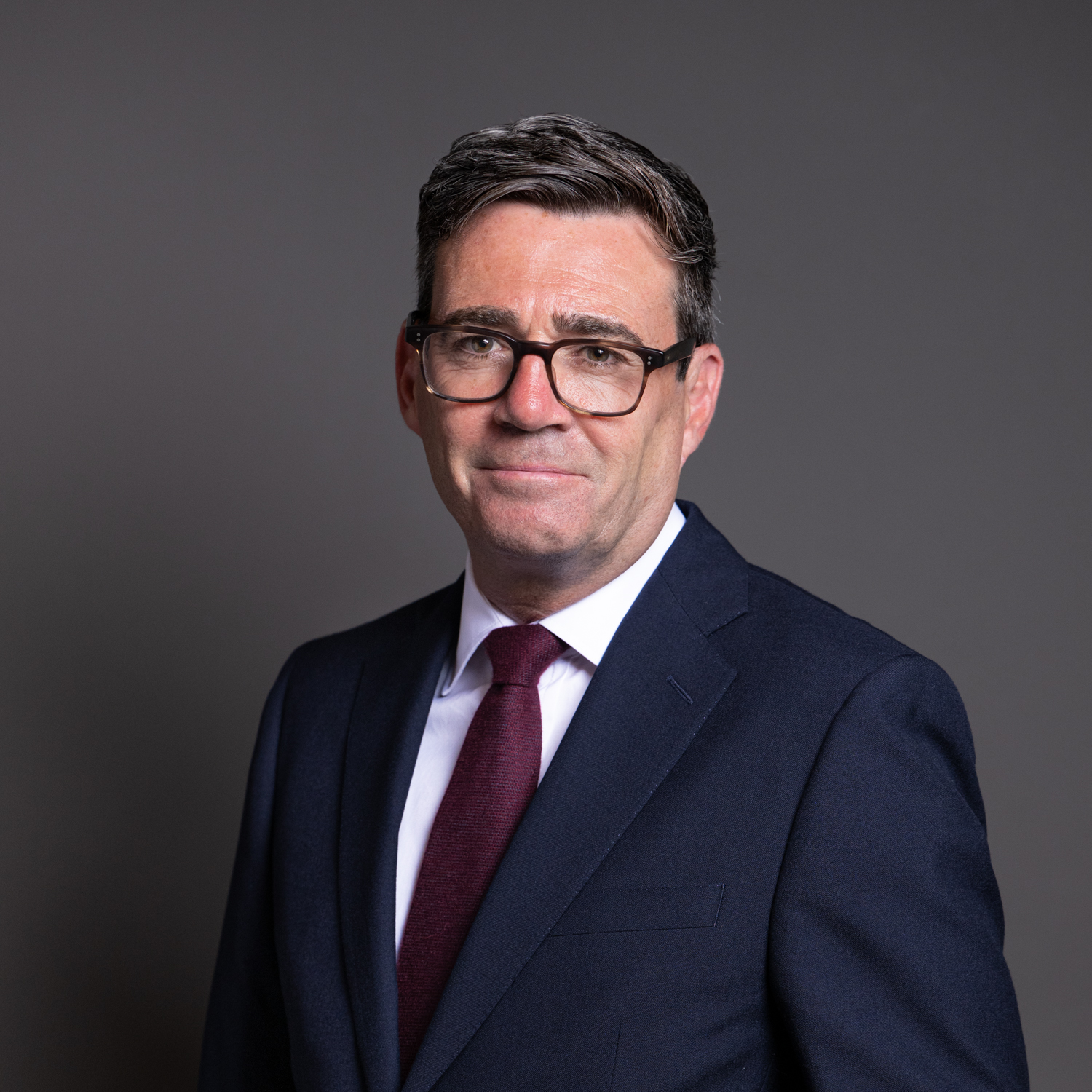
London, 21 July 2026 — Andy Burnham has officially become the United Kingdom’s Prime Minister and Leader of the Labour Party, pledging to usher in what he described as a “circuit breaker” moment for the country after replacing Keir Starmer.
Following his appointment by the King, Burnham entered 10 Downing Street and immediately announced a sweeping Cabinet reshuffle, rewarding key allies while also retaining a number of experienced ministers from across Labour’s different factions. The reshuffle marks one of the most significant changes to the government since Labour entered office, with several senior figures from the Starmer administration leaving Cabinet.
Among the most notable appointments is John Healey, who becomes Chancellor of the Exchequer after previously serving as Defence Secretary. Healey’s move to the Treasury signals Burnham’s focus on reindustrialisation, economic stability and increased investment in defence.
Shabana Mahmood remains Home Secretary, retaining responsibility for policing, immigration and national security. Burnham has also appointed former Labour leader Ed Miliband as Foreign Secretary, placing him in charge of Britain’s diplomatic agenda.
Former Foreign Secretary Yvette Cooper moves to become Health and Social Care Secretary, where she will oversee NHS reform and efforts to improve the social care system. Wes Streeting has been appointed Defence Secretary, succeeding Healey at the Ministry of Defence.
One of Burnham’s closest allies, Louise Haigh, returns to Cabinet as Chancellor of the Duchy of Lancaster, First Secretary of State and Cabinet Office Minister, effectively making her one of the Prime Minister’s most senior colleagues responsible for coordinating government business.
Elsewhere, Pat McFadden becomes Work and Pensions Secretary, Jonathan Reynolds returns as Business Secretary, while Angela Rayner is reappointed Housing Secretary with responsibility for devolution and a major council house-building programme. Lucy Powell becomes Education Secretary, Lisa Nandy remains Culture Secretary, and Heidi Alexander stays on as Transport Secretary.
The wider Cabinet includes Angela Eagle as Environment Secretary, Miatta Fahnbulleh as Energy Secretary, Alex Norris as Justice Secretary, Ellie Reeves as Attorney General, Anneliese Midgley as Chief Whip, Emma Reynolds as Chief Secretary to the Treasury, Douglas Alexander as Scotland Secretary, Chris Bryant as Northern Ireland Secretary, Stephen Kinnock as Wales Secretary and Alan Campbell as Leader of the House of Commons.
Several senior figures have departed government as part of Burnham’s overhaul. Former Chancellor Rachel Reeves, Foreign Secretary David Lammy, Business Secretary Peter Kyle, Housing Secretary Steve Reed, Attorney General Richard Hermer, Science Secretary Liz Kendall, Wales Secretary Jo Stevens, Northern Ireland Secretary Hilary Benn, and Darren Jones all leave the Cabinet.
Burnham said his government would focus on economic renewal, devolving power from Westminster, rebuilding public services and restoring public confidence in politics. The new Prime Minister also pledged to unite Labour after a period of internal division, describing his Cabinet as one built on “experience, talent and a shared determination to deliver for Britain.”
The new administration is expected to hold its first full Cabinet meeting later today, with ministers preparing to begin work on Burnham’s legislative programme and the government’s immediate policy priorities.