The Labour Figures Who Could Shape the Party’s Future
With Labour now firmly positioned as the dominant force in Westminster, attention has already begun to shift to the question that always follows a change in political weather. Who might next lead the party, and by extension the country. Leadership speculation is a permanent feature of British politics, but within Labour it carries a particular weight. The party’s internal rules mean that any contender must first secure the support of 81 Labour MPs before they can appear on the ballot sent to party members. That threshold alone shapes the field, favouring candidates with both parliamentary reach and grassroots appeal.
What follows is not a prediction of outcomes. It is an exploration of the figures who are often discussed within Labour circles as potential future leaders, and the political forces that make each of them part of the conversation.
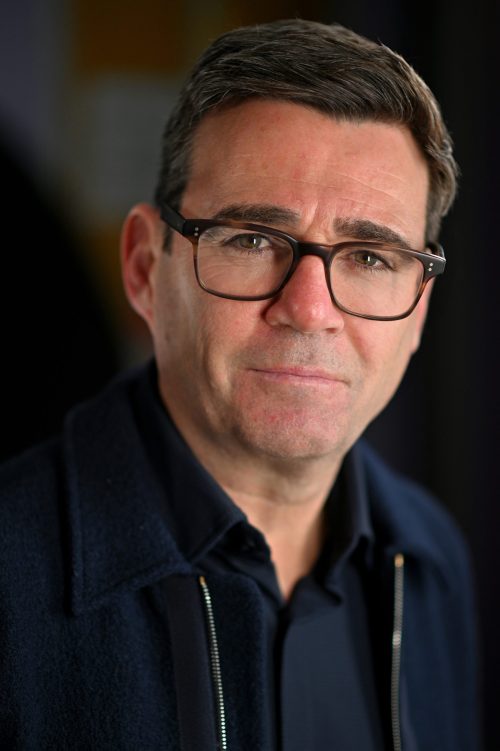
Andy Burnham (pictured)
Taking up his post as an MP today, Andy Burnham continues to loom large in Labour’s internal imagination. His tenure as Mayor of Greater Manchester has given him executive experience and a national platform. Burnham has already fought two Labour leadership contests, and his supporters argue that his regional credibility and policy record make him a unifying figure. Currently the bookies favourite.
Wes Streeting
Wes Streeting has become one of Labour’s most visible modernisers. His supporters see him as a communicator who can speak fluently to voters beyond Labour’s traditional base. His critics argue that his centrist instincts could provoke internal friction. What is clear is that Streeting has built a national profile quickly, and he has shown a willingness to take on difficult policy areas. That combination often matters in leadership contests, where visibility and perceived competence can carry as much weight as ideology.
Angela Rayner
Angela Rayner remains one of Labour’s most recognisable figures. Her personal story, her trade union grounding and her ability to connect with audiences give her a political authenticity that few can match. She also commands strong loyalty among sections of the membership. Any leadership race that includes Rayner would be shaped by her presence, not least because she bridges parts of the party that do not always sit comfortably together. Her challenge would be converting that broad appeal into the parliamentary nominations required to reach the ballot.
Ed Miliband
Ed Miliband remains a senior figure whose influence inside Labour is often underestimated. As a former party leader, he carries institutional memory and a clear sense of Labour’s ideological traditions. His recent work on climate and industrial policy has also given him renewed relevance. While some argue that the party is unlikely to return to a former leader, others note that Labour has a long history of rediscovering figures who once seemed out of the running. Miliband’s path would depend heavily on whether MPs see him as a stabilising presence in a future moment of uncertainty.
Al Carns
Al Carns represents a different kind of potential contender. Less nationally known than some of the others, he is often spoken about within Labour circles as part of the party’s next generation of strategic thinkers. His appeal would rest on offering a fresh direction rather than a familiar face. For candidates like Carns, the challenge is visibility. Securing 81 nominations requires deep parliamentary networks and a clear sense among MPs that a candidate can unite the party. If Carns continues to build influence, he could become a more prominent figure in future leadership discussions.
What This Tells Us About Labour’s Future
The range of names being discussed reflects a party that is broad, ambitious and still negotiating its identity after years of internal debate. The nomination threshold ensures that any future contest will be shaped by parliamentary arithmetic as much as by membership enthusiasm. It also means that leadership races are rarely straightforward. Alliances shift, factions recalibrate and candidates rise or fall quickly.
What is certain is that Labour’s next leadership contest, whenever it comes, will be fought on questions of direction, identity and the party’s relationship with the country it seeks to govern. The individuals mentioned here each represent a different answer to those questions. The decision will ultimately rest with MPs and members, and it will shape British politics for years to come.